SciMed
MVA Manual Vacuum Aspiration Kit — IPAS-Style with 8 Cannulas
MVA Manual Vacuum Aspiration Kit — IPAS-Style with 8 Cannulas
Couldn't load pickup availability
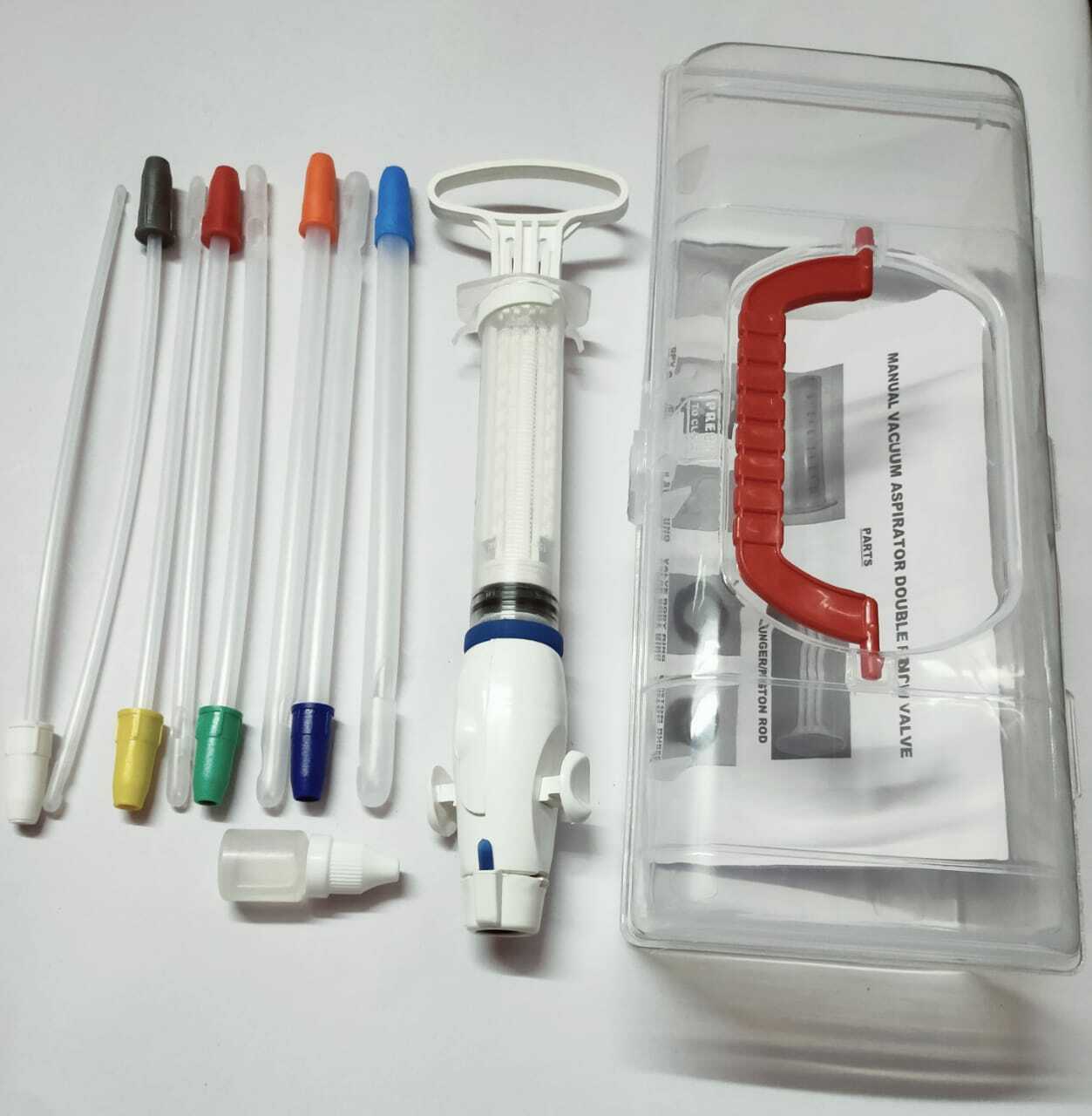
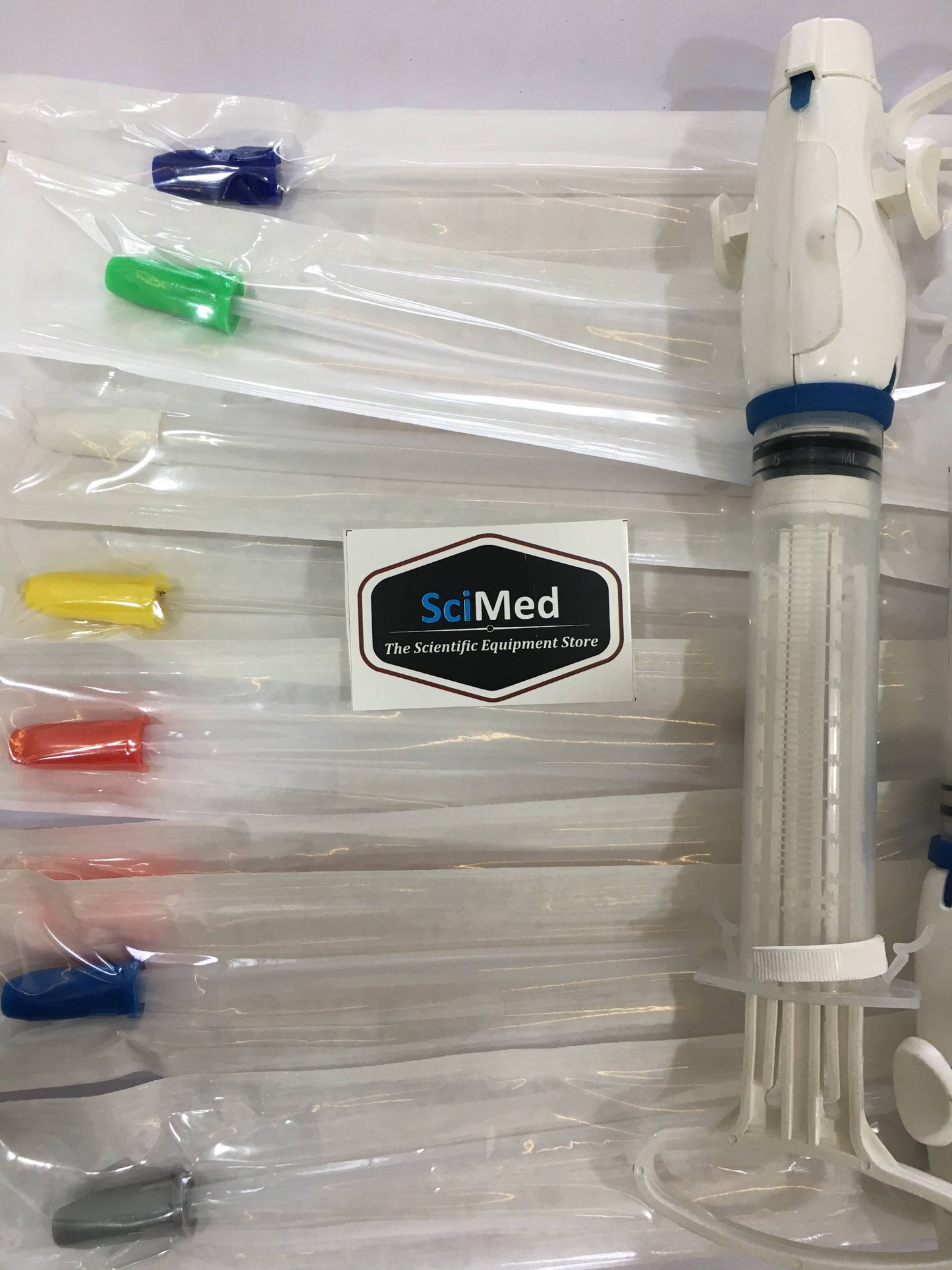
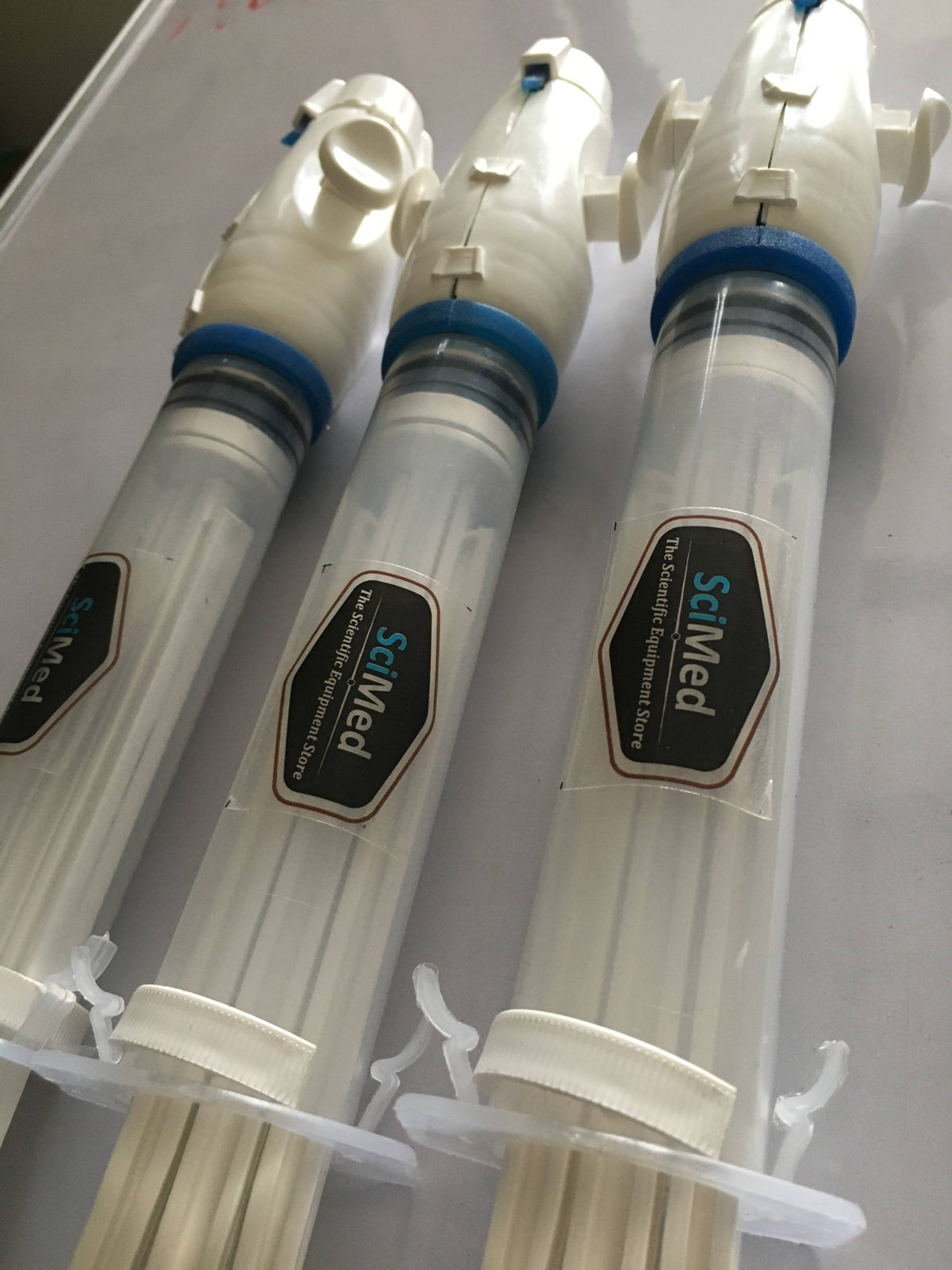
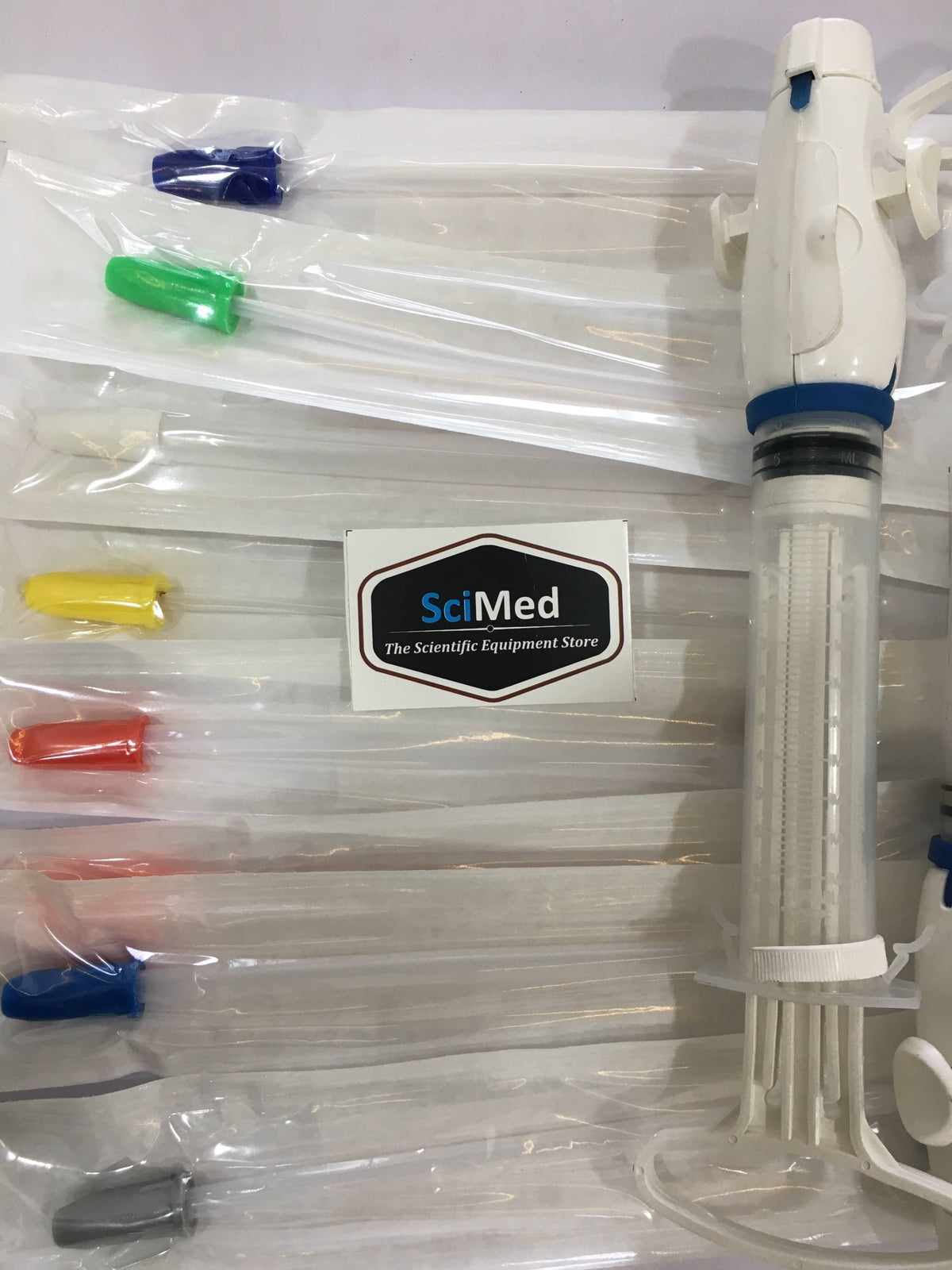
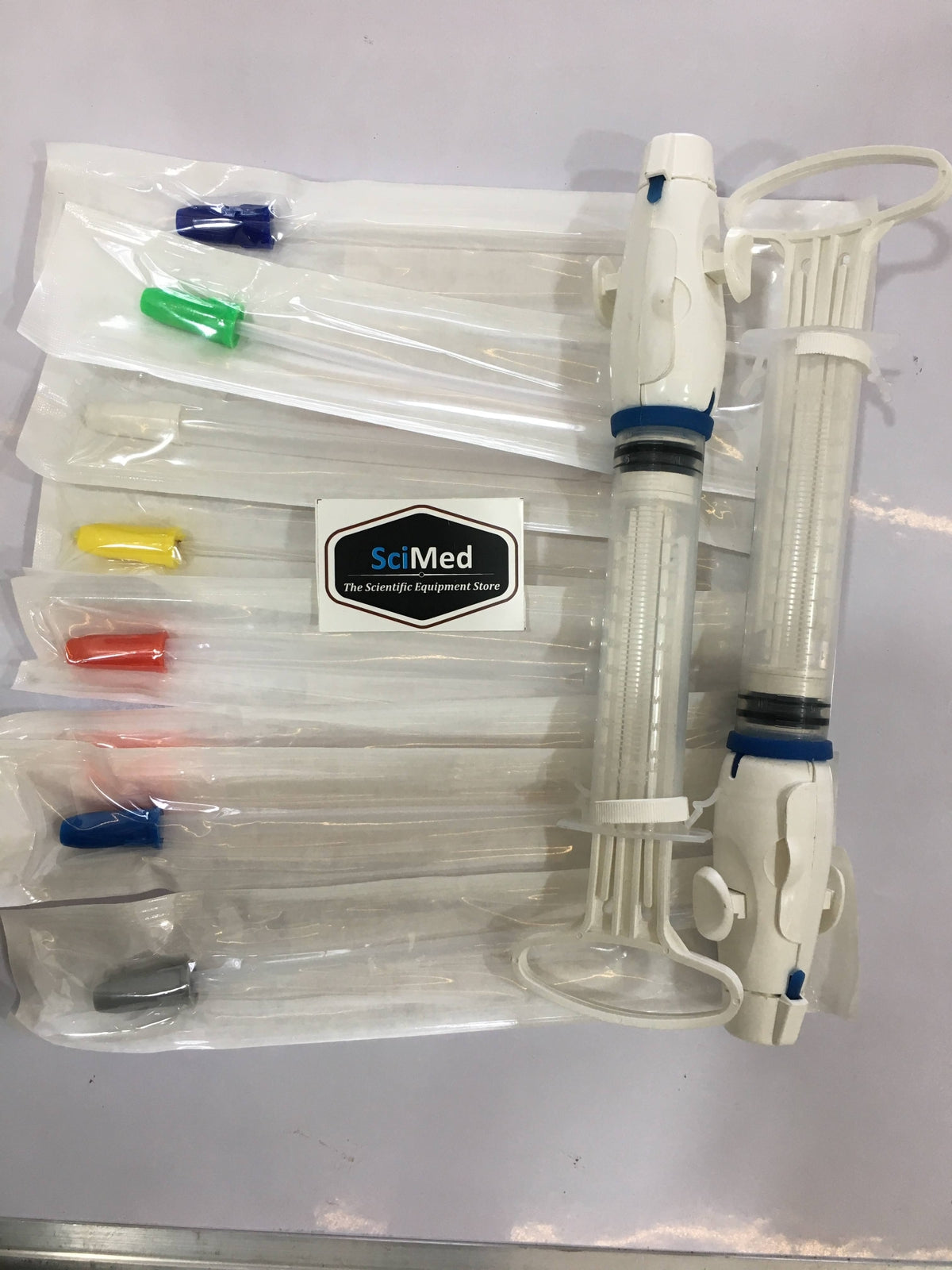
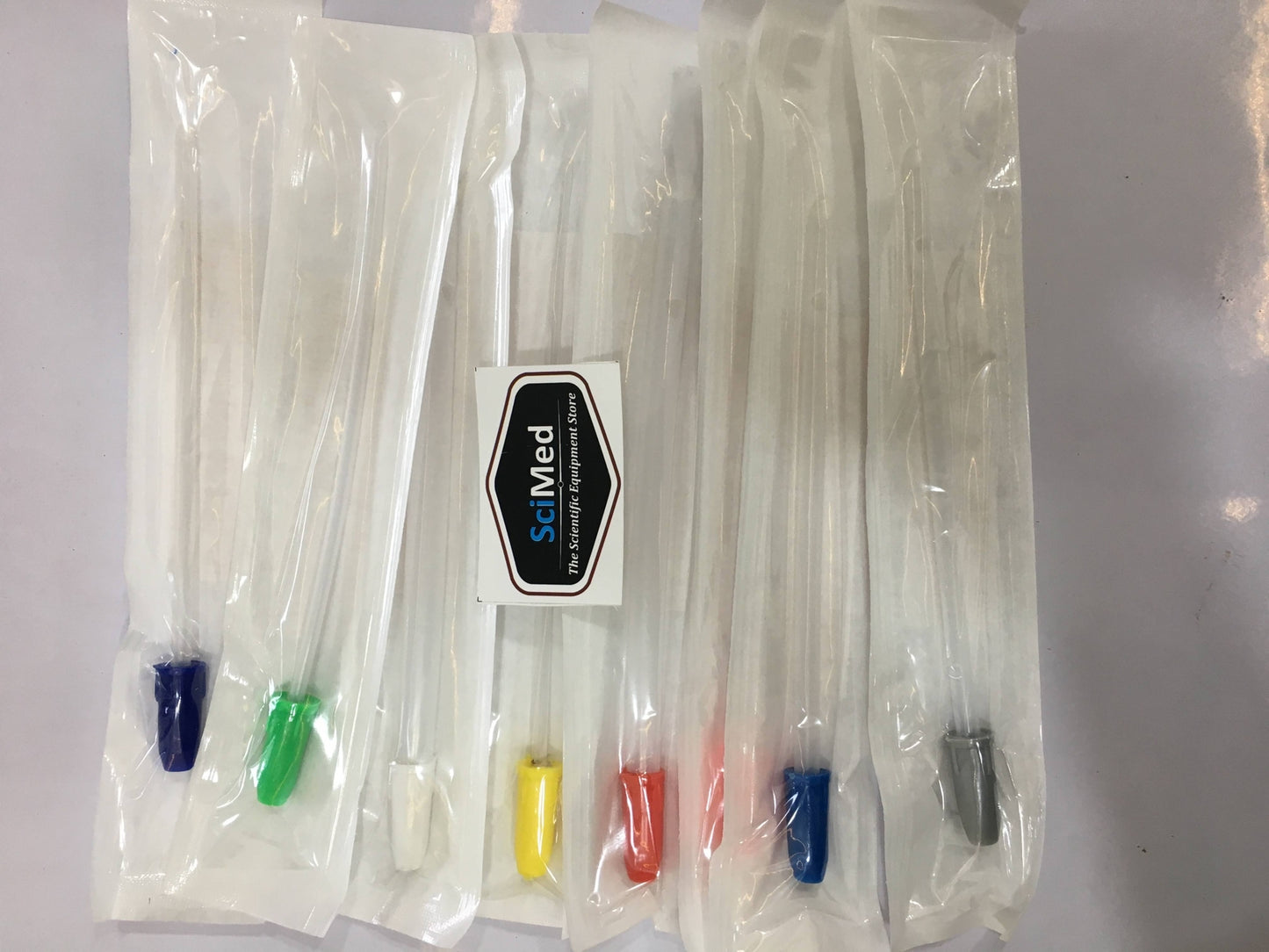
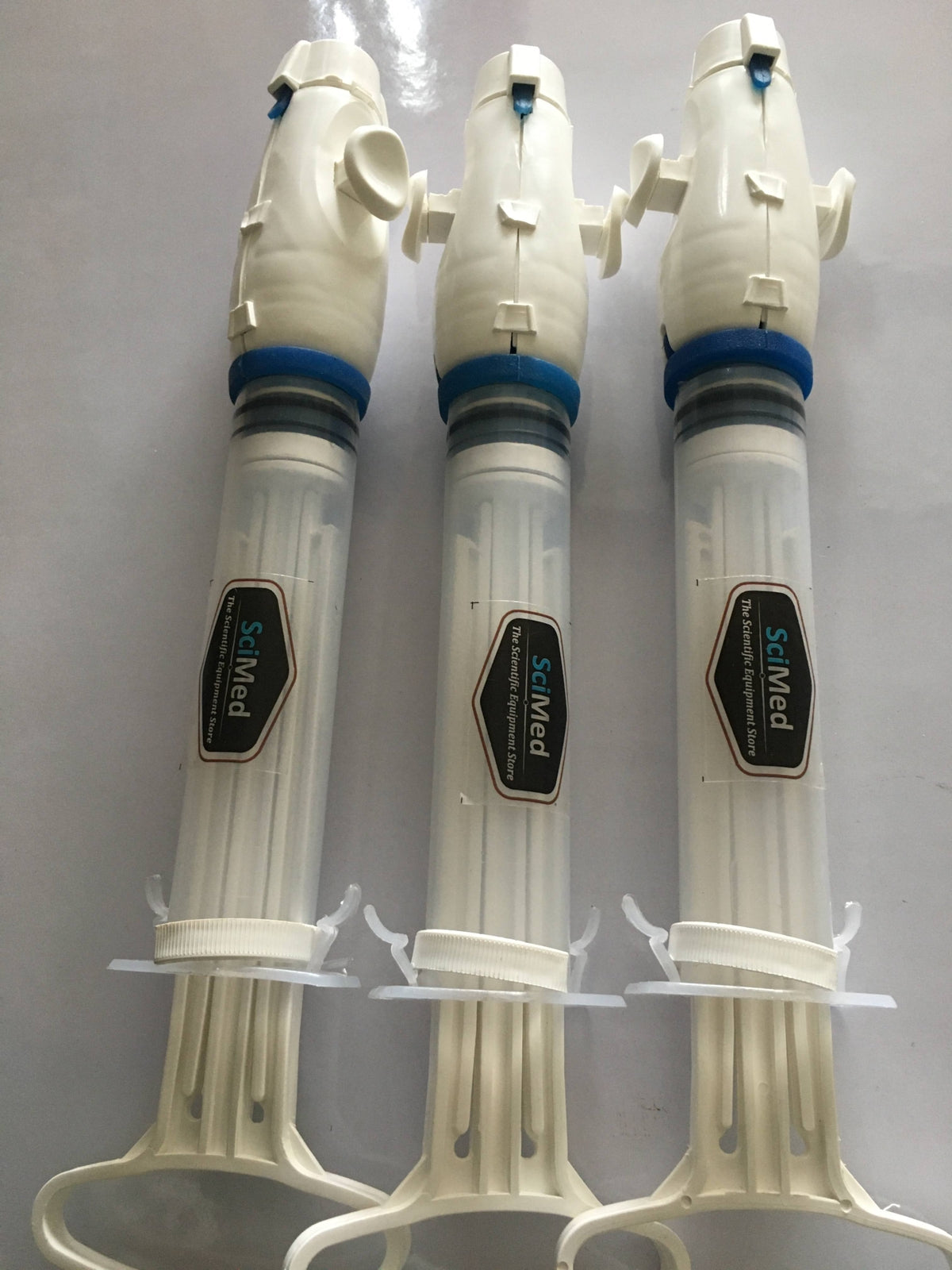
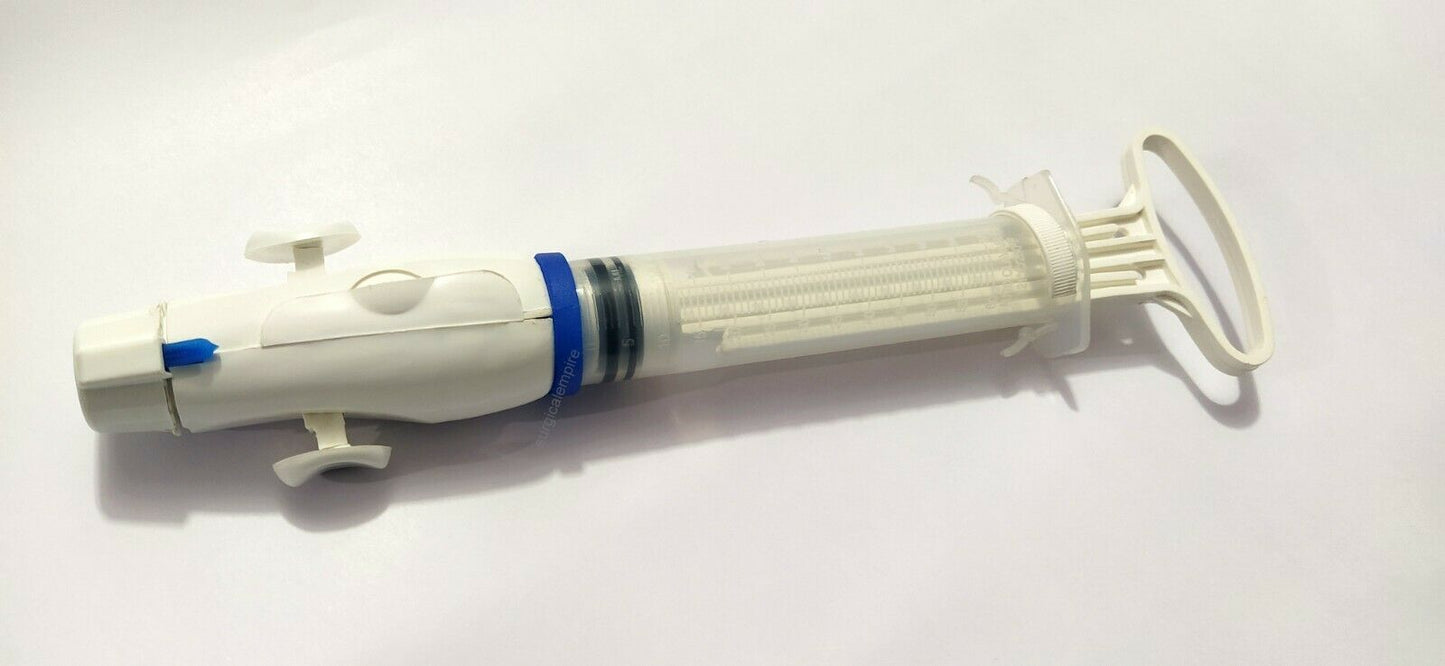
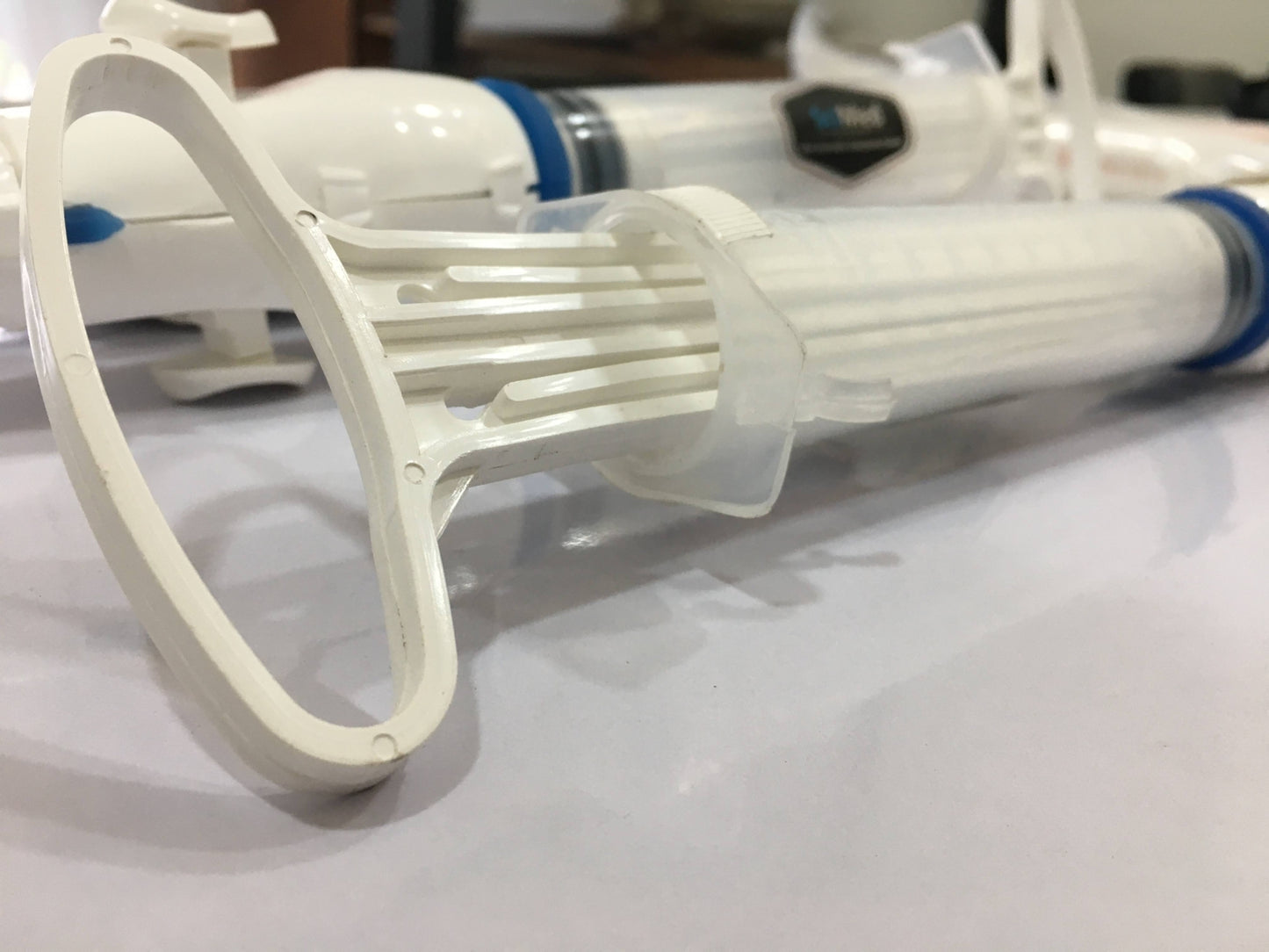
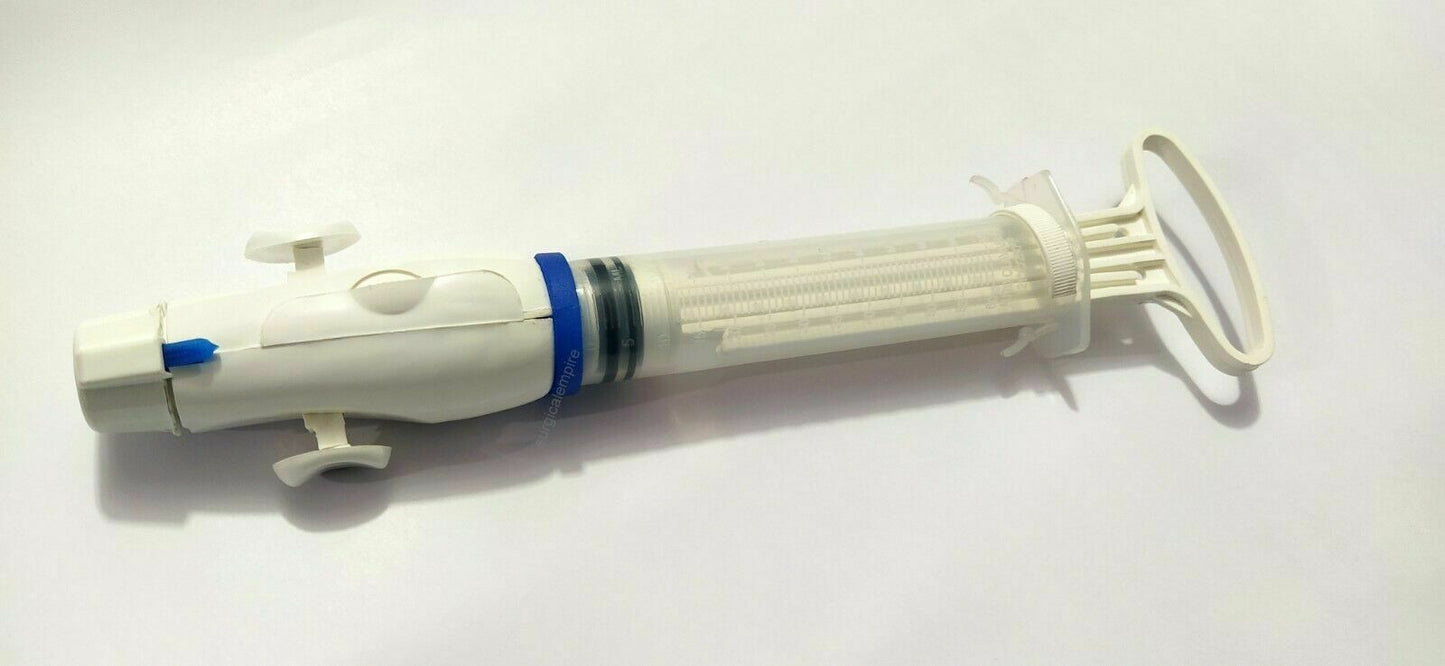
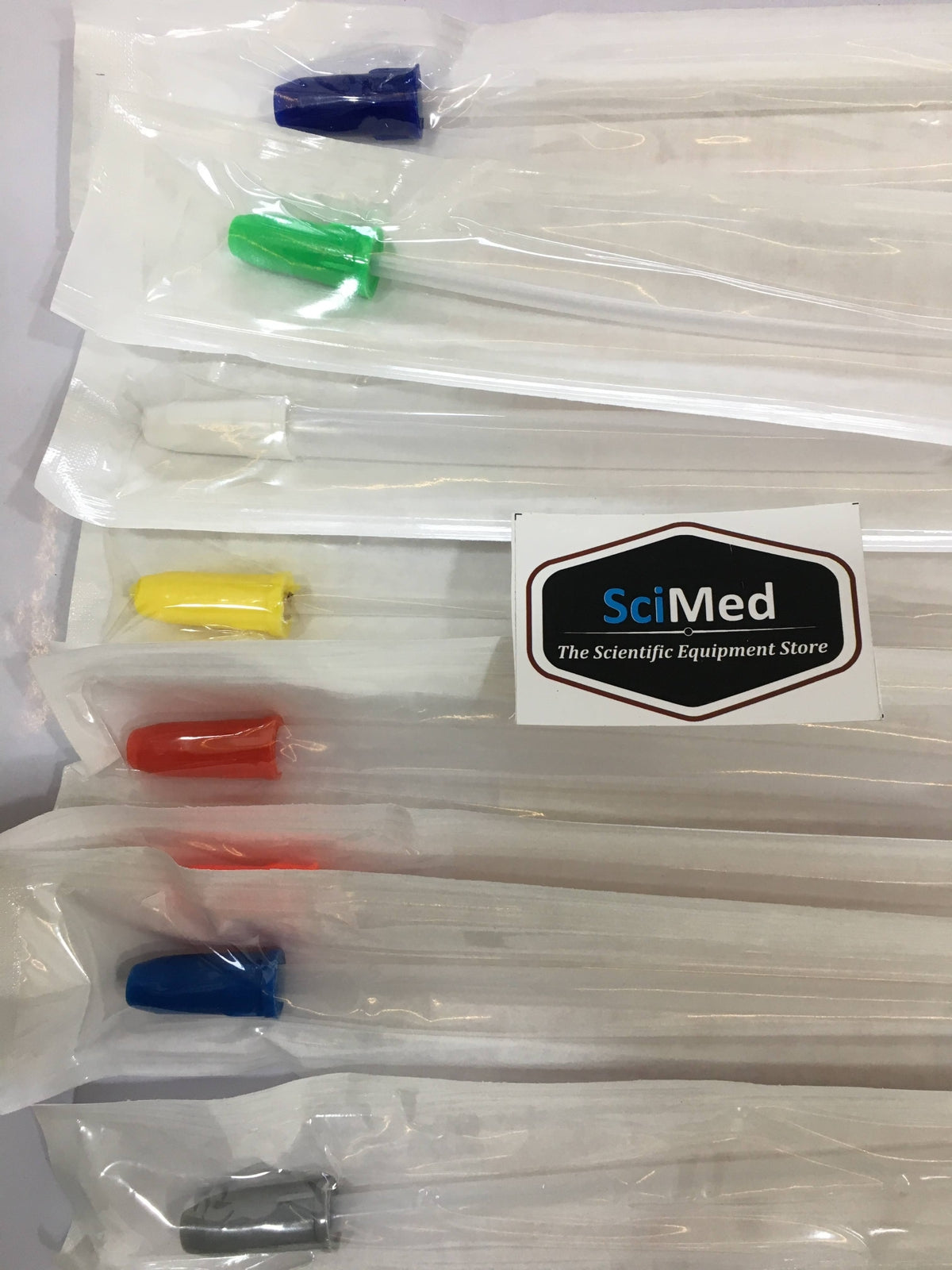
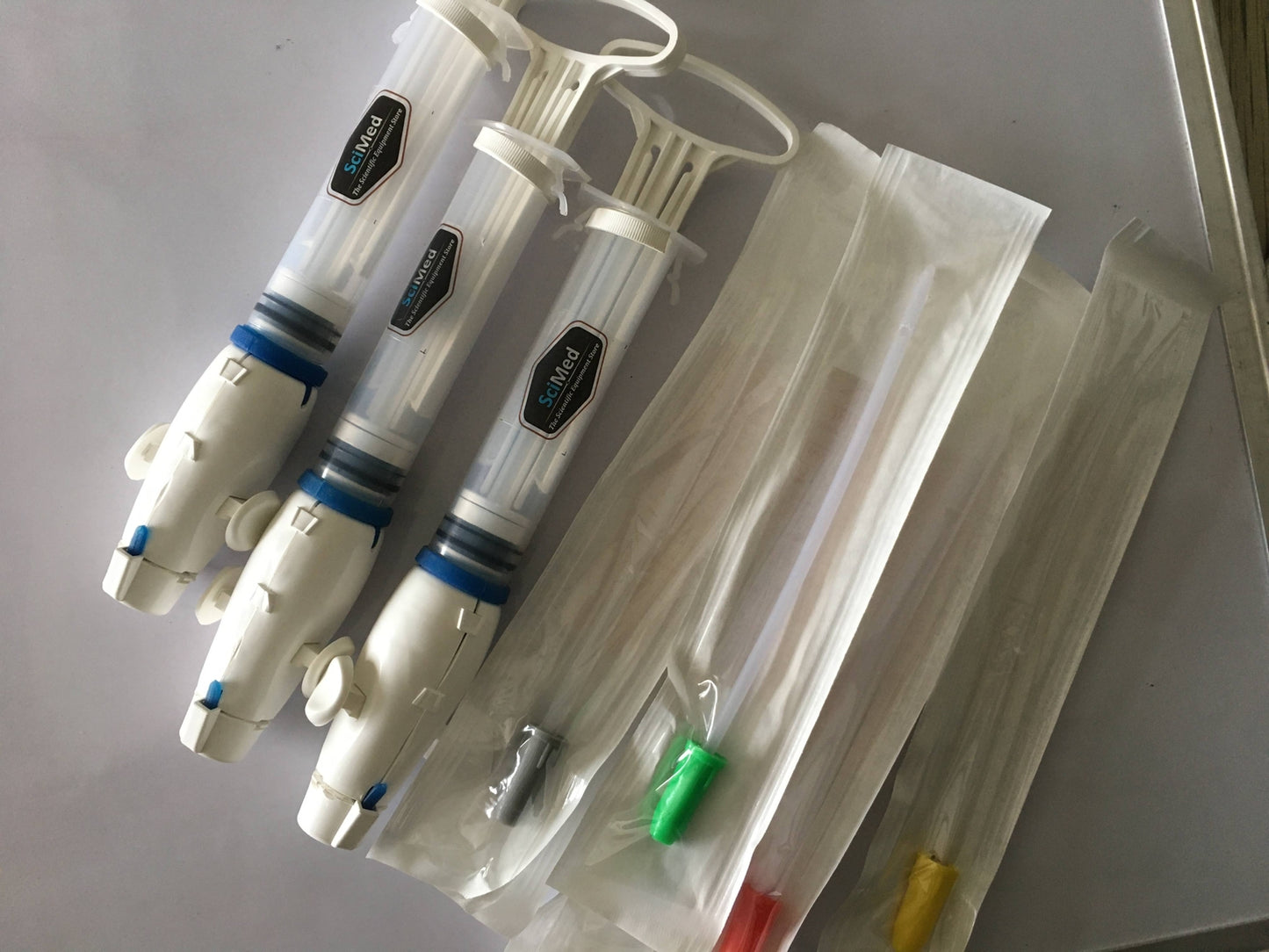
The MVA Kit (Manual Vacuum Aspiration Kit) is a complete IPAS-style uterine evacuation system for managing incomplete miscarriage and other first-trimester obstetric procedures at 5–12 weeks of gestation. Includes a double-valve MTP syringe and 8 sterile Karman cannulas (4, 5, 6, 7, 8, 9, 10, 12 mm) with atraumatic rounded tips and lateral eyes for smooth uterine cavity access.
What is Manual Vacuum Aspiration (MVA)?
Manual Vacuum Aspiration (MVA) is a WHO-recommended first-trimester uterine evacuation technique using a hand-held vacuum syringe rather than electric suction. MVA is used for incomplete or missed miscarriage management, post-abortion care (PAC), endometrial biopsy, and elective first-trimester procedures where electric suction is unavailable or contraindicated. The technique is faster, quieter, and requires no electricity — making it the standard uterine evacuation method in outpatient OB-GYN settings, humanitarian medicine, and low-resource settings.
Clinical applications
- Management of incomplete or missed miscarriage (5–12 weeks gestation)
- Post-abortion care (PAC) uterine evacuation
- Elective first-trimester termination of pregnancy (in jurisdictions where permitted)
- Endometrial biopsy / diagnostic aspiration
- Retained products of conception (RPOC) management
- Outpatient OB-GYN under local anesthesia or paracervical block
- Humanitarian medicine and NGO obstetric services
How Manual Vacuum Aspiration (MVA) works
- Prepare the syringe — connect the double-valve MTP syringe and depress the plunger to lock the vacuum
- Select appropriate cannula — sizing (mm) typically matches gestational age in weeks; e.g., 5 mm cannula for 5 weeks, 8 mm for 8 weeks
- Attach cannula to the syringe via the supplied connector
- Position patient in dorsal lithotomy with paracervical block anesthesia
- Insert cannula through the cervix under sterile technique
- Release vacuum — flip the valve to release the held vacuum through the cannula
- Rotate and aspirate — 360° rotations of the cannula while gradually advancing to systematically evacuate the uterine cavity
- Confirm complete evacuation — gritty sensation on cannula, no more tissue in syringe, cavity feels empty on bimanual exam
- Withdraw and inspect — visualize aspirated products of conception to confirm complete procedure
Specification
| Syringe type | Double-valve IPAS-style manual vacuum aspirator (MTP syringe) |
| Cannulas included | 8 sizes — 4, 5, 6, 7, 8, 9, 10, 12 mm Karman cannulas |
| Cannula tip | Smooth rounded tip with lateral atraumatic eyes |
| Cannula material | Medical-grade polypropylene |
| Vacuum | Up to 24 inHg (~610 mmHg) |
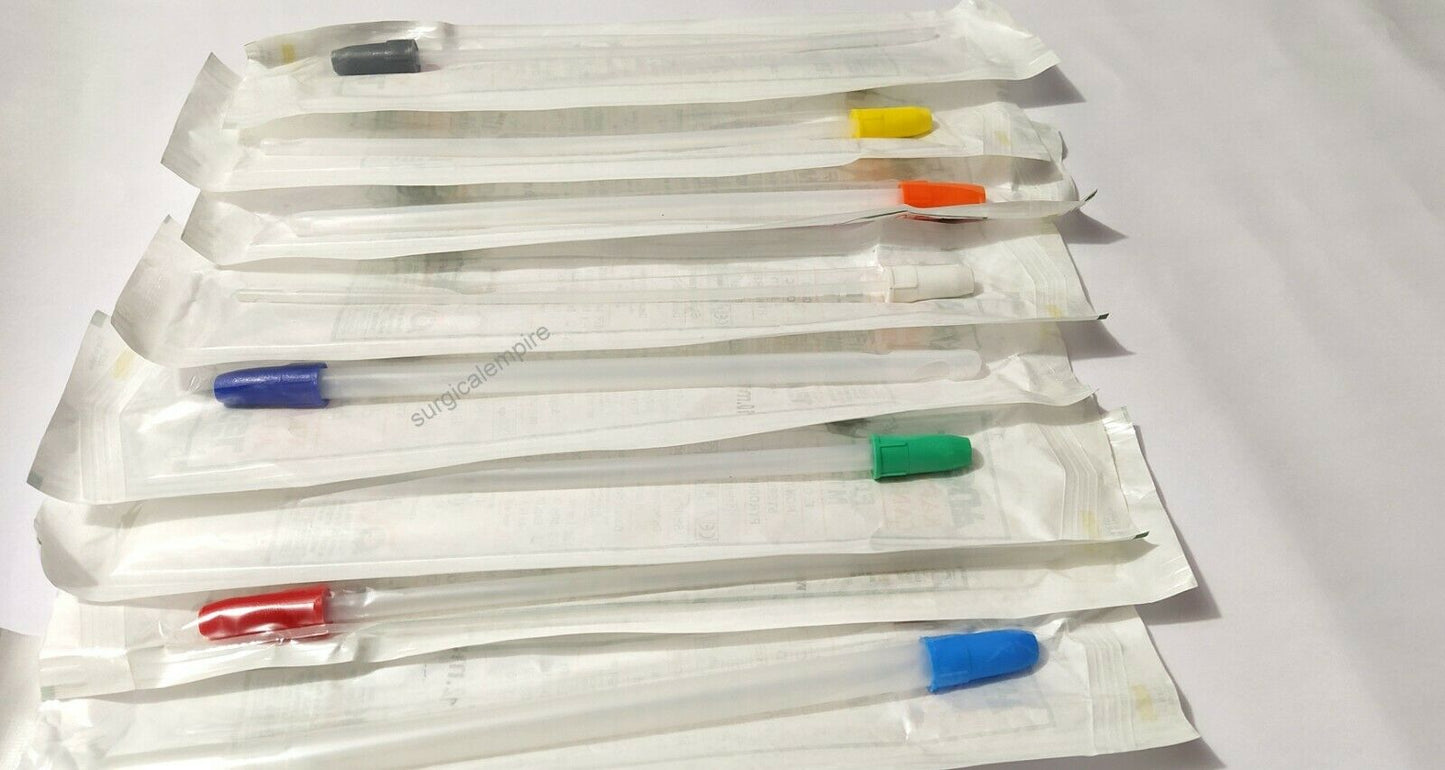
| Sterility | Each cannula individually sterile-packed in peelable pouch |
| Use | Single-use per patient (cannulas) |
| Reusability | Syringe is autoclavable / reprocessable per IPAS protocols |
| Weight | ~180 g (kit) |
| Intended user | OB-GYN clinicians, PAC services, women's health clinics, hospital ED, humanitarian medicine |
What's in the box
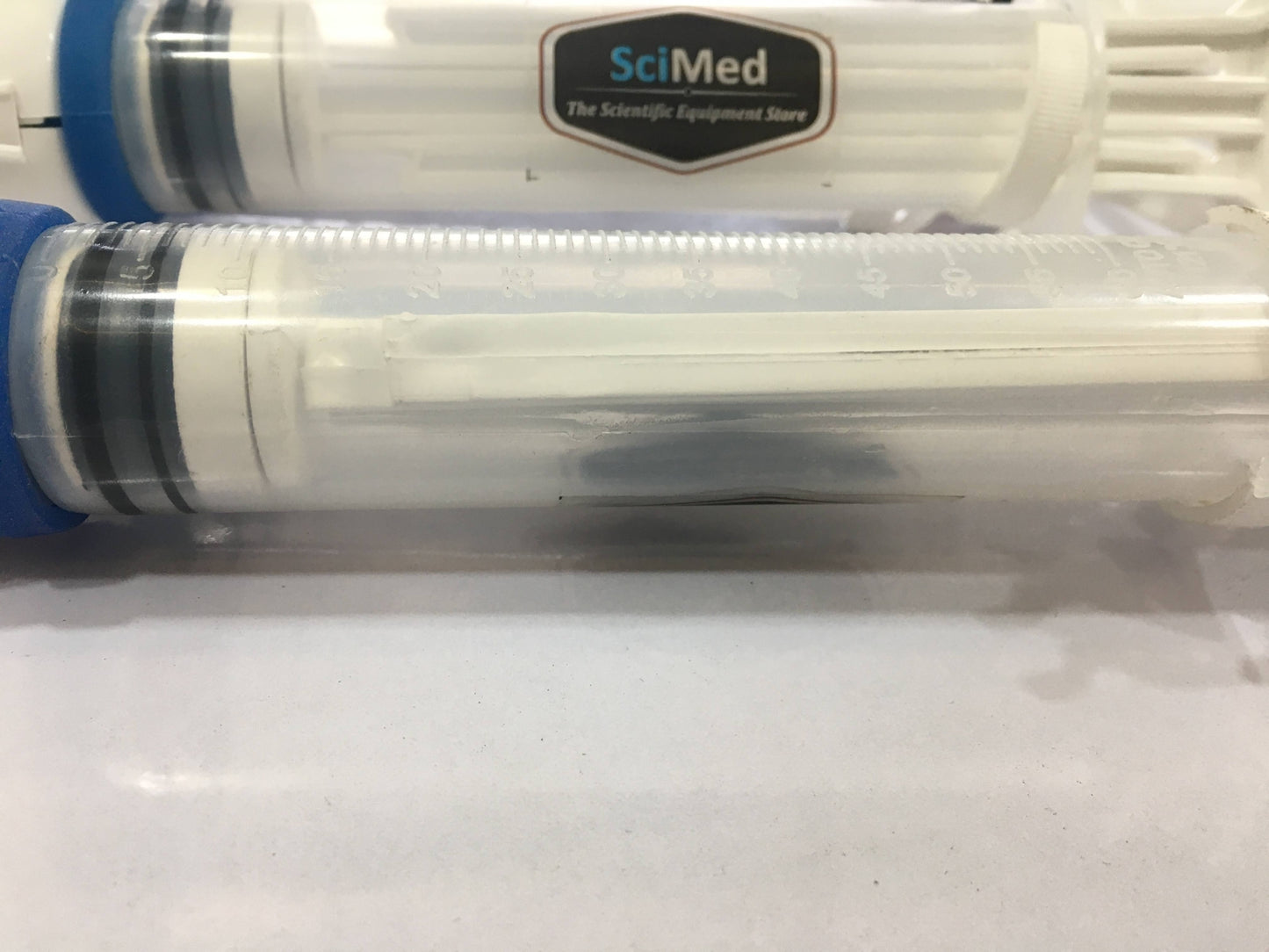
- 1 × Double-valve MTP syringe (60 mL)
- 8 × Karman cannulas (4, 5, 6, 7, 8, 9, 10, 12 mm) — individually sterile-packed
- 1 × Set of adapter connectors
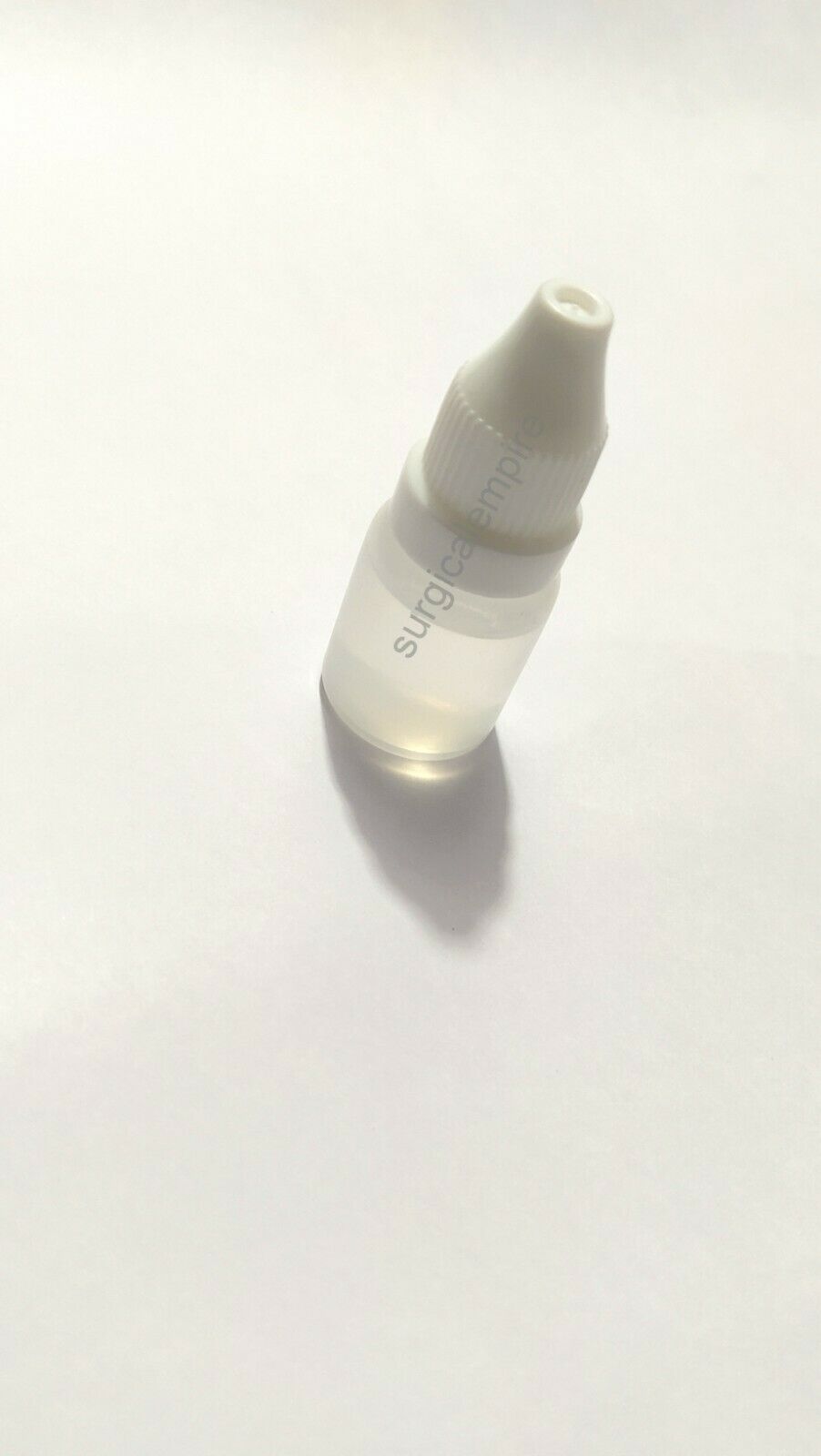
- 1 × Silicone lubricating oil
- Sterile peelable pouch packaging (per cannula)
- Outer carton with lot / expiry markings
Frequently asked questions
Is this MVA kit IPAS-compatible?
Yes. The syringe and cannulas follow the IPAS MTP double-valve design standard used by IPAS-trained providers worldwide. All 8 cannula sizes correspond to the standard IPAS gestational-age sizing (4-12 mm).
What sizes of cannulas come in the kit?
Eight (8) Karman cannulas: 4 mm, 5 mm, 6 mm, 7 mm, 8 mm, 9 mm, 10 mm, 12 mm. Cannula sizing (mm) typically matches gestational age in weeks — e.g., 5 mm for 5 weeks, 8 mm for 8 weeks. Having all sizes in one kit means no need to reorder mid-procedure if gestational dating was off.
Is manual vacuum aspiration safer than sharp curettage (D&C)?
Multiple RCT and cohort studies (Grimes 2004, Tunçalp 2010) show MVA has lower rates of uterine perforation, less blood loss, less pain, and shorter procedure time compared to sharp curettage for first-trimester uterine evacuation. WHO recommends MVA over sharp curettage for incomplete miscarriage management.
Can I reuse the MVA syringe?
The double-valve syringe is designed to be autoclavable and reprocessable per IPAS reprocessing protocols. The cannulas, however, are single-use per patient and must be discarded after one procedure.
What anesthesia is used for MVA?
Paracervical block with 1% lidocaine is standard for outpatient MVA. Additional oral or IV analgesia (NSAIDs ± opioid) may be added for patient comfort. General anesthesia is not required for standard first-trimester MVA.
Up to how many weeks of gestation can MVA be used?
MVA is validated for first-trimester procedures up to 12 weeks (menstrual age). Beyond 12 weeks, electric vacuum aspiration (EVA) or dilation and evacuation (D&E) is typically used per WHO and ACOG guidance.
Does the MVA kit meet WHO essential medicines standards?
Yes. The MVA kit design meets WHO essential medicines standards for uterine evacuation equipment and is suitable for humanitarian medicine, low-resource settings, and NGO obstetric services.
Can I bulk-order MVA kits for a hospital or humanitarian program?
Yes. Email clinic@scimedstore.com for pricing on 10+ unit orders. Humanitarian NGO programs and teaching hospitals receive institutional pricing.
Also known as
MVA kit · Manual Vacuum Aspiration kit · IPAS-style MVA kit · MTP syringe kit · Karman cannula kit · uterine evacuation kit · miscarriage management kit · post-abortion care kit · PAC kit
For hospital procurement, women's health programs, humanitarian NGO orders, or MVA training kit orders, contact clinic@scimedstore.com or (669) 265-9353.
Share